
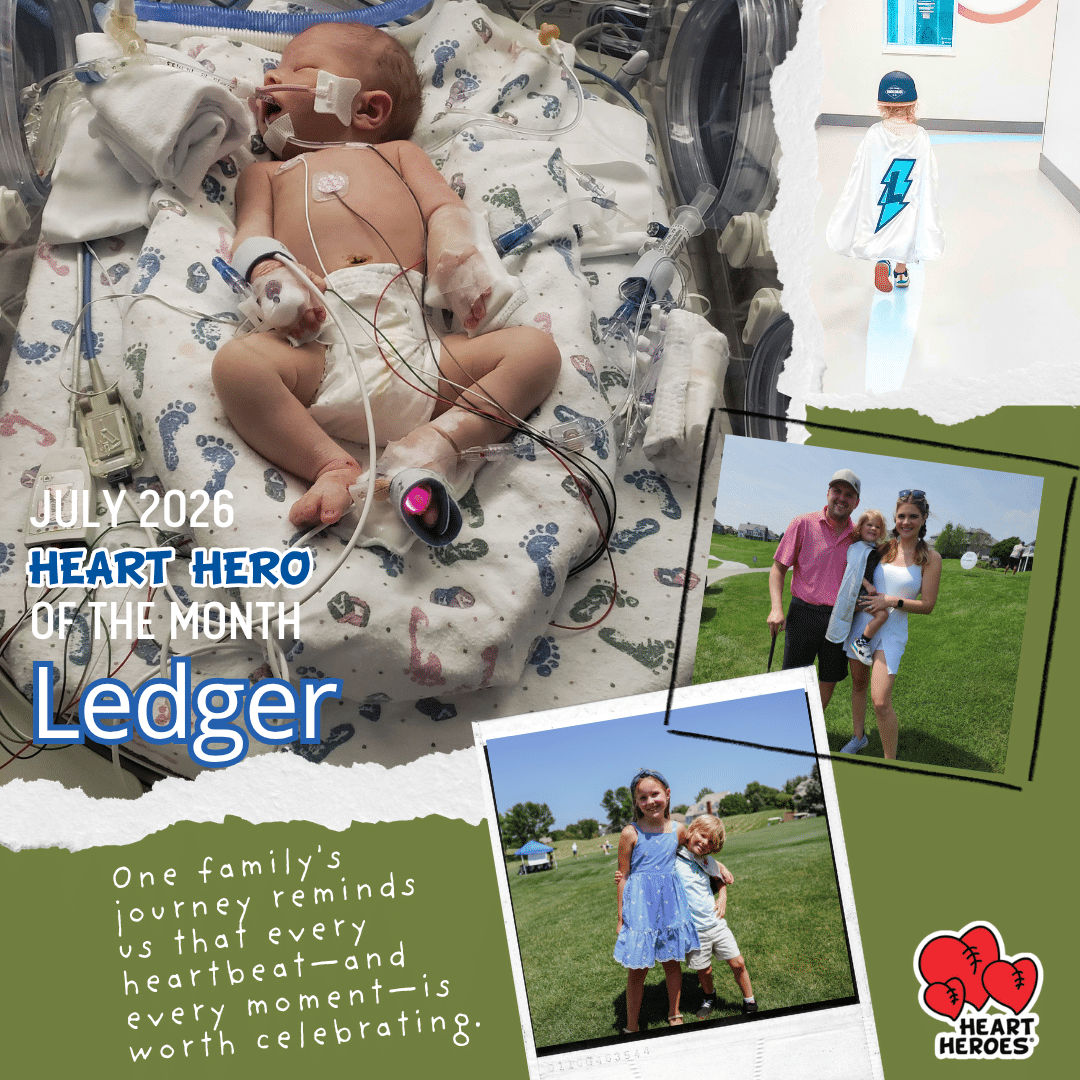
“One family’s journey reminds us that every heartbeat—and every moment—is worth celebrating.”
Written by Jake and Jess
When you decide to have children, nobody hands you a manual for the unexpected. You picture chaos in the best possible sense: the sleepless nights, the sticky hands, the car seat that takes forty minutes to buckle correctly. You imagine the joy of first words, first steps, the sound of laughter bouncing off walls that never felt quite alive until a child filled them. What you don’t picture, what no parent willingly imagines, is the moment that world stops.
For us, that moment arrived on June 11th, 2020, two days after our son Ledger was born.
Ledger was born on June 9th, 2020. He arrived in the world the way most babies do — screaming, red-faced, and beautiful. We held him and felt that love that all parents know and no one can accurately describe to you before you experience it yourself. He was here. He was ours. We were a family of four.
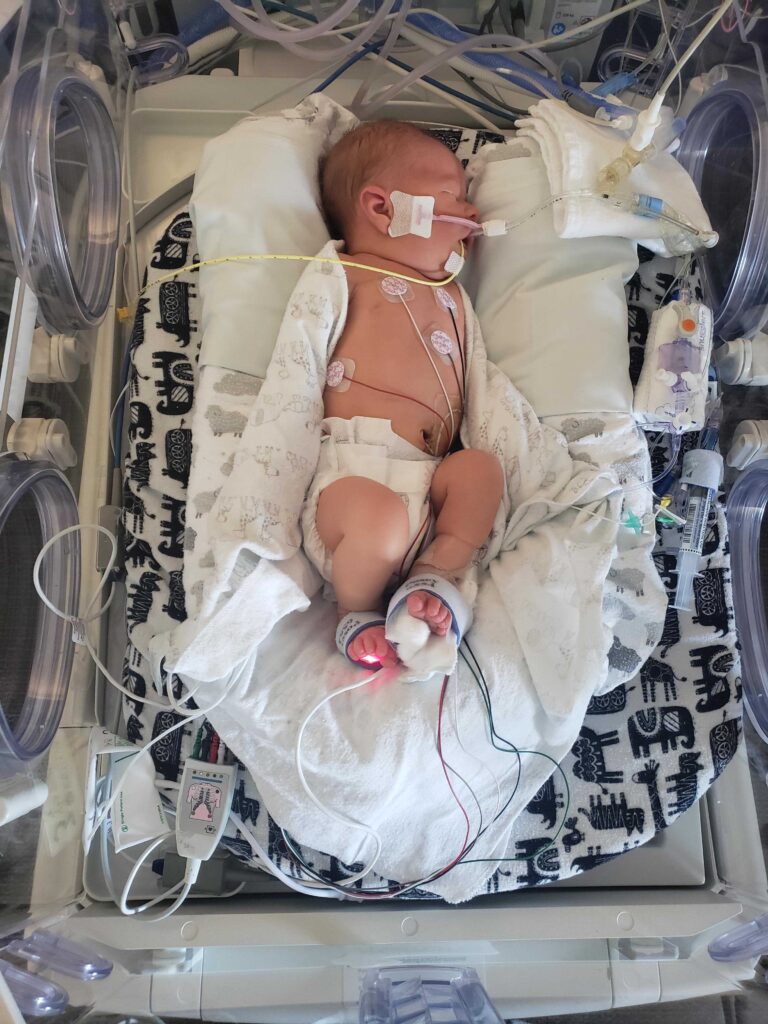
Overall, there were no warning signs at the hospital. He was healthy; it was COVID, so we wanted to get out of there, and they sent us home. That night was rough; he did not stop crying, wouldn’t eat, but then again, he was a baby, and that’s what babies do. His birth was quick, and he had swallowed some amniotic fluid. At the hospital, they suctioned as much out as they could but said it might take time to clear. We chalked up his extra fussiness to that. We already had his appointment scheduled with the pediatrician that morning so we weren’t too worried as we could express our concerns with the doctor then. Jess took him that morning as Covid restrictions only allowed one parent to be present. Upon arrival, our Pediatrician immediately knew something was wrong; his temperature was 96 degrees, and his oxygen levels were in the 40s. They called an ambulance and a whole team of doctors into our tiny room. In between trying to hook monitors up to him, they had Jess do skin-to-skin to help raise his temperature. The ambulance took him down to Children’s Nebraska, where they admitted him to the NICU. After a few hours of tests, they diagnosed the cause as premature closure of the fetal ductus arteriosus — a blood vessel that normally closes after birth had closed too early, before Ledger had even taken his first breath. The result was that his heart and lungs had been working under strain they were never meant to endure in the womb. Most commonly, when PDA’s close too early in utero, the result is a stillbirth. If Ledger had been born just days later, that would have been our reality.
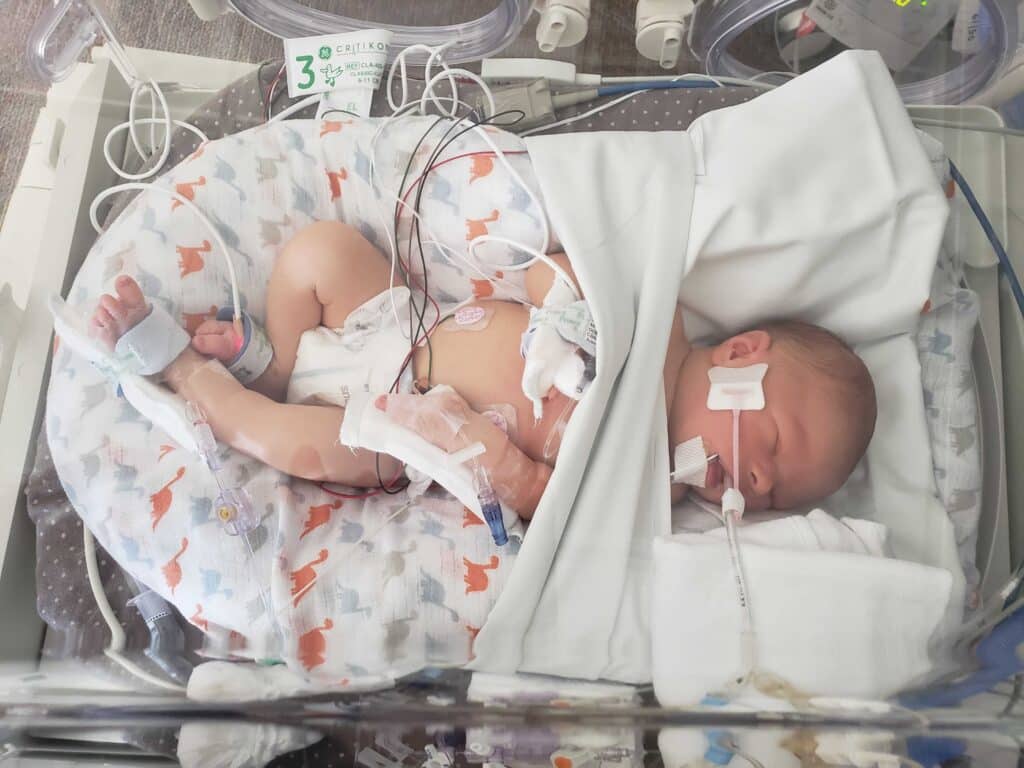
Five days. That’s how long Ledger spent in the NICU. Five days that felt like five years, and also, somehow, like five minutes. Time operates by different rules when your newborn is hooked to monitors, tubes, and gadgets that make dings and beeps every second, every beep sounds alarming and they haunt your dreams. You learn very quickly in a NICU that you are not in control of anything, and that the most courageous thing you will ever do is simply show up every single day, sit beside your child, and believe in him. The hardest part was not being able to hold him. Singing became our way to connect while he was inside his isolate, the shield that protected him from the outside world.
We went from two years old. Four years old. Six years old. Each echo is a checkpoint, a moment of holding your breath while doctors look at the architecture of your child’s heart and tell you whether or not the walls are holding. We have sat in those rooms. Waiting for the Dr. to come in, immediately fixating on his facial expressions. Waiting for him to drop bad news. Ledger is as strong as they come, though. He says, NOT TODAY. His bicuspid aortic valve is working as strong as any other healthy 6-year-old boy.
We believed in Ledger. We had no other choice. He was already fighting so hard for himself.
While the team at Children’s Nebraska was working through the complexity of his premature ductal closure, they also discovered something else during their testing, something that would extend far beyond those first five days. Ledger has a bicuspid aortic valve, a congenital heart defect in which the aortic valve forms with two leaflets instead of the normal three. For most people, this goes undetected for years, sometimes decades. For Ledger, being caught early means he has a medical team watching over him, protecting him before any problem has the chance to grow unchecked. For the first few years, we went in once a year for an echocardiogram to monitor the valve for any signs of leakage. Ledger’s heart and valve were working exactly as they should, and we’ve been able to extend it to every other year now, which is amazing, but doesn’t make those appointments any easier.
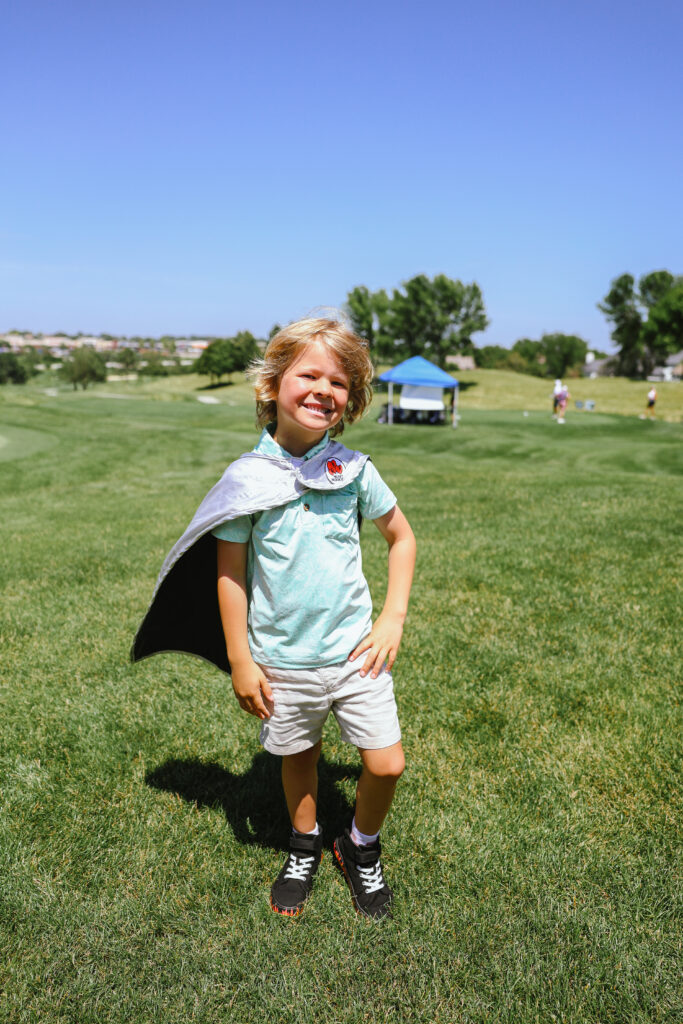
Let me tell you about Ledger. He runs. His energy is unmatched. He has opinions about everything and isn’t shy about sharing them. He has always had a personality that is larger than life. Every day he rides his bike and builds Legos. And then runs more. He is living, fully and fiercely, every single day — and he has no idea that the way he does it takes our breath away. He is our living miracle.
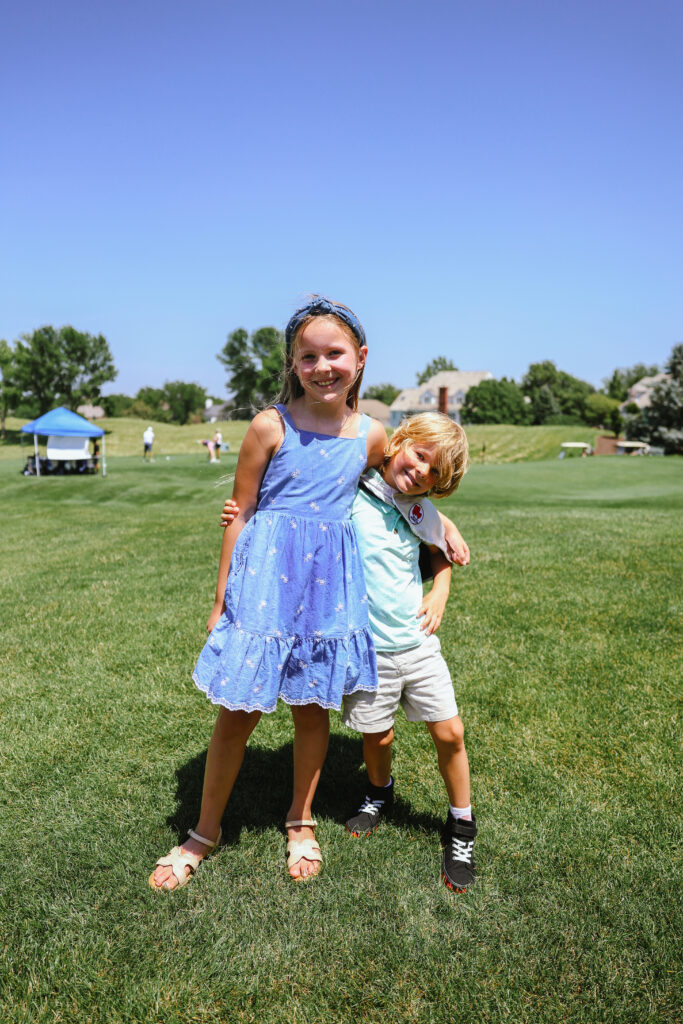
What Ledger’s diagnosis did to us as a family is hard to put into a single clean sentence, because it changed things on multiple levels at once. On the surface, it changed our calendar; we now mark July on the calendar by echo appointments the way other families mark time for vacations. It changed how we talk about the body, about the heart, about what it means to be healthy and what it means to be strong. We have become parents who ask more questions, who advocate more loudly, who trust our instincts in a doctor’s office in a way we might not have if we’d never needed to.
But underneath all of that, the change is something quieter and harder to name.
Before Ledger, we moved through life the way most young families do — always onto the next thing, always planning, always in motion. Having kids is inherently future-tense. You’re always preparing for who they’ll become, what they’ll need, and where you’ll be in five years. We were no different. And then Ledger’s diagnosis arrived like a hand pressed flat against our chests, stopping us mid-stride. We used to mourn aging, always wanting to keep our kids young, and now we celebrate it. Every year Ledger reaches, is one we weren’t sure we would have in those early days in the NICU.
This wasn’t supposed to happen.
That’s the first thought, almost immediately followed by: What do we do?
That groundedness has never fully left us.
We look at our children differently now, all of them, not just Ledger, but Lennon and Evera. It led us to look for community.
When we first connected with Heart Heroes, we didn’t fully know what we were walking into. You hear about organizations that support families navigating congenital heart disease, and you nod, and you think: that’s good, someone should be doing that. You don’t necessarily expect it to feel personal.
But that’s exactly what Heart Heroes gave us: community.
There is something profound about sitting across from another parent whose child has a heart condition and not having to explain yourself. You don’t have to translate the anxiety of an upcoming echo appointment. You don’t have to describe what it’s like to watch your child run across a field and feel joy and vigilance simultaneously, always carrying that small, quiet awareness in the back of your mind. They already know. They live it too. And in that knowing, in that shared understanding, something that can feel very isolating starts to feel a little less so.
CHD families are not a small club, though many of us felt alone before we found each other. Congenital heart defects are the most common type of birth defect, affecting nearly one in every hundred babies born. And yet, so few people outside of the CHD community understand the reality of it, the ongoing nature of it, the way it doesn’t end when your child leaves the hospital, the way it becomes a permanent thread woven through the fabric of your family’s life. Heart Heroes understands. That community understands. And finding them has made us feel less alone in ways we didn’t even realize we needed until we experienced the alternative.
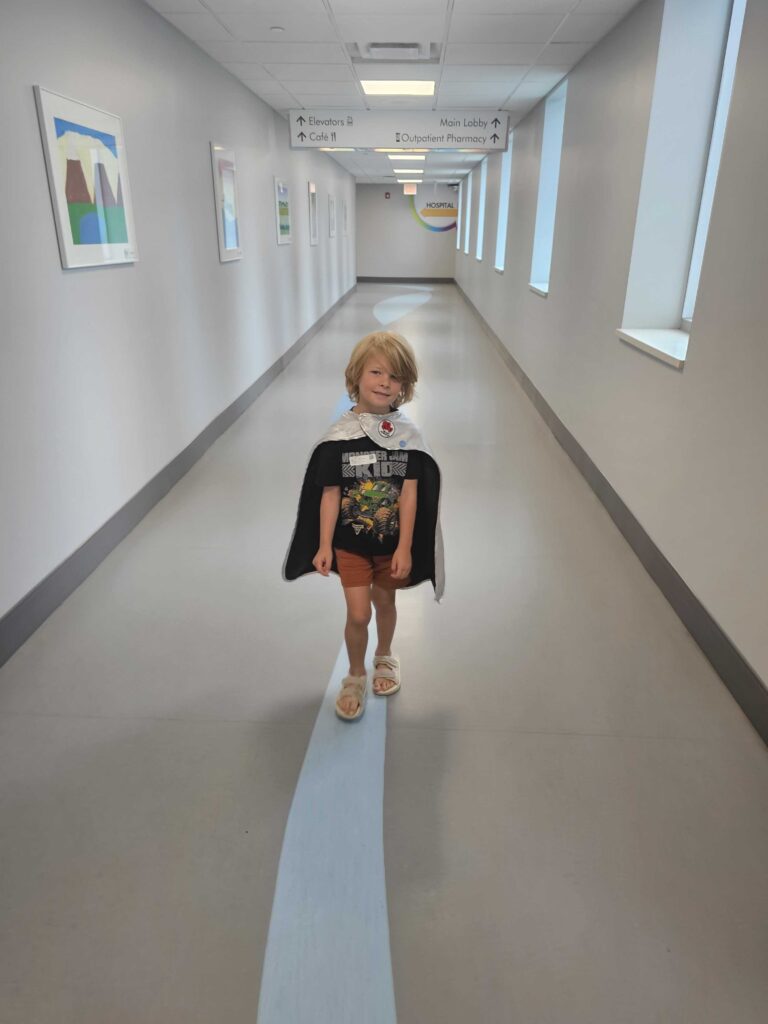
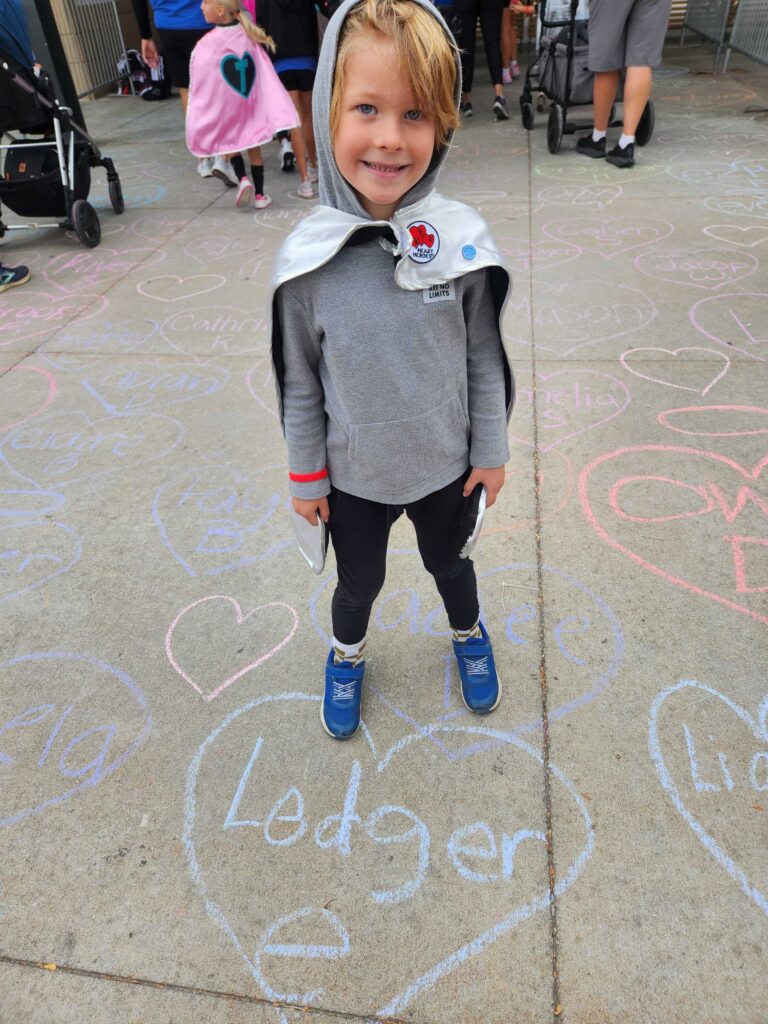
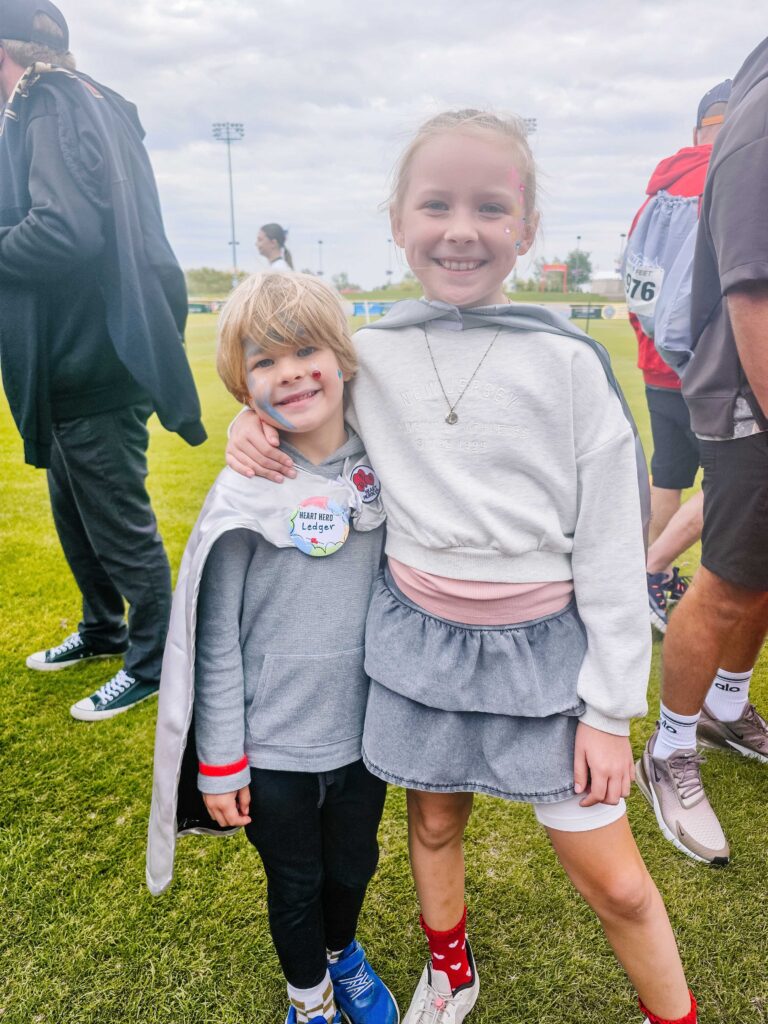
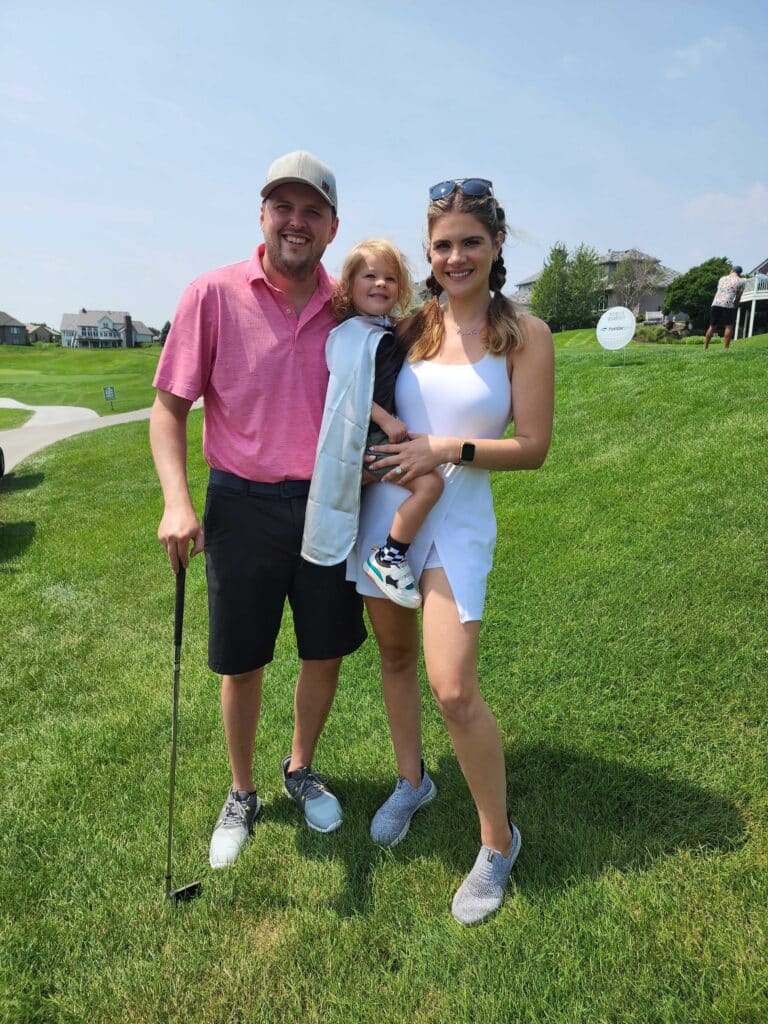
The Heart Hero Cape is part of that. When we think about what it symbolizes, it isn’t just a piece of fabric. It says that this child, our child, with his heart that works differently. The cape is a symbol for our whole family of the fight, the pride, the love, and the community that surrounds every single heart warrior.
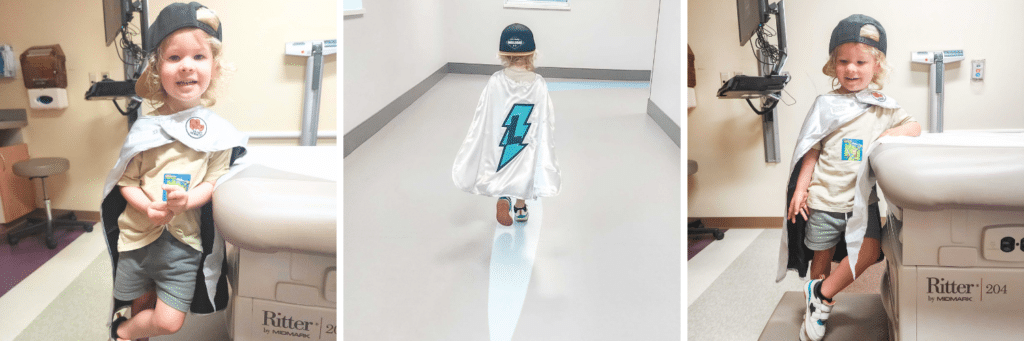
Ledger is six years old now. He was born on June 9th, 2020, in Omaha, Nebraska, into a family that had no idea what was coming and has been changed for the better because of it.
We don’t know exactly what the road ahead looks like. We don’t know what future echo appointments will reveal, or whether surgery will someday be part of Ledger’s story as a child or an adult. What we know is that we will show up for every single appointment — present, grateful, and paying attention in a way we might never have learned without him.
And we know that we will not walk that road alone. Because of Heart Heroes, because of the community of families who have wrapped their arms around ours, we know that wherever this journey leads, there will be people beside us who understand — who have their own capes.
Ledger, our Heart Hero, made sure we’d never forget it, and we hope you don’t forget the impact that Heart Heroes has on this community of families and the support it provides.